China Draws a Red Line. Trump Lights a Match. And Latin America Holds Its Breath.
The warning didn’t whisper. It hit.
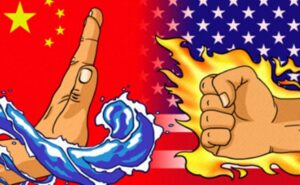
In less than 24 hours, Washington was dragged into two explosive confrontations. China publicly demanded the release of Nicolás Maduro. At the same time, Donald Trump mocked Colombia’s leader as a “sick man,” hinting his rule was ending. One day. Two flashpoints. And a region suddenly on edge.
China’s demand wasn’t subtle diplomacy. It was a challenge. By stepping in for Venezuela’s strongman, Beijing signalled it is willing to confront the United States directly and publicly. Not in Asia. Not over trade. But in Latin America itself. That matters. For decades, this region was Washington’s uncontested sphere. China just knocked on the front door and dared the U.S. to answer.
At the same time, Trump’s comments detonated a second crisis. Calling Colombia’s president unstable and suggesting his days are numbered crossed a line. For Colombians, it sounded less like rhetoric and more like menace. For neighbours, it revived a familiar fear: foreign pressure disguised as tough talk. Colombia is not a pawn, but history says great powers often forget that.
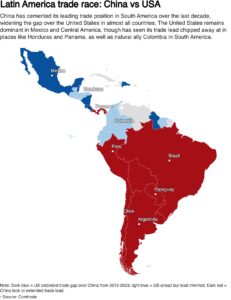
Here’s the uncomfortable truth. These two moments are connected. China is testing how far it can push. Trump is testing how loud he can go. Latin America is caught in between. Fragile democracies. Economic pressure. Old wounds. New empires. Everyone is watching how Washington reacts, because silence looks like weakness and overreaction risks chaos.
This is no longer about Maduro alone. Or Trump’s insults. It’s about who sets the rules when global power shifts in real time. China wants respect. Trump wants dominance. The region wants stability.
And this is the part most people miss: once the shouting fades, consequences remain. Alliances harden. Trust erodes. And ordinary citizens pay the price. The next move won’t come with a warning. It never does.